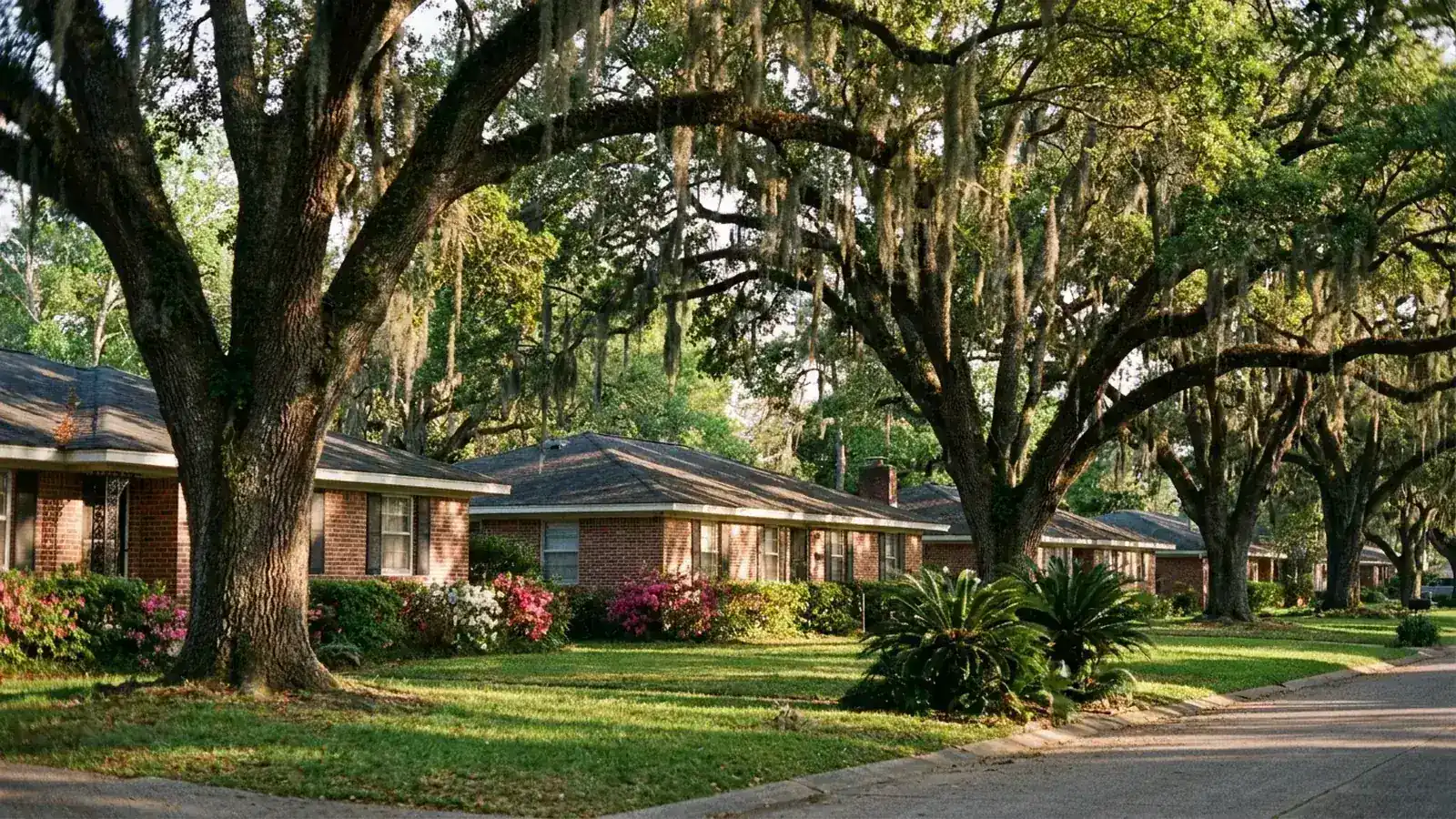
Foundation work in Baker splits by construction type: pier-and-beam re-support runs $3,000–$10,000, slab underpinning $4,000–$15,000. Some of the older housing here is the former, which is cheaper and adjustable later. Establishing which you have comes before any price.
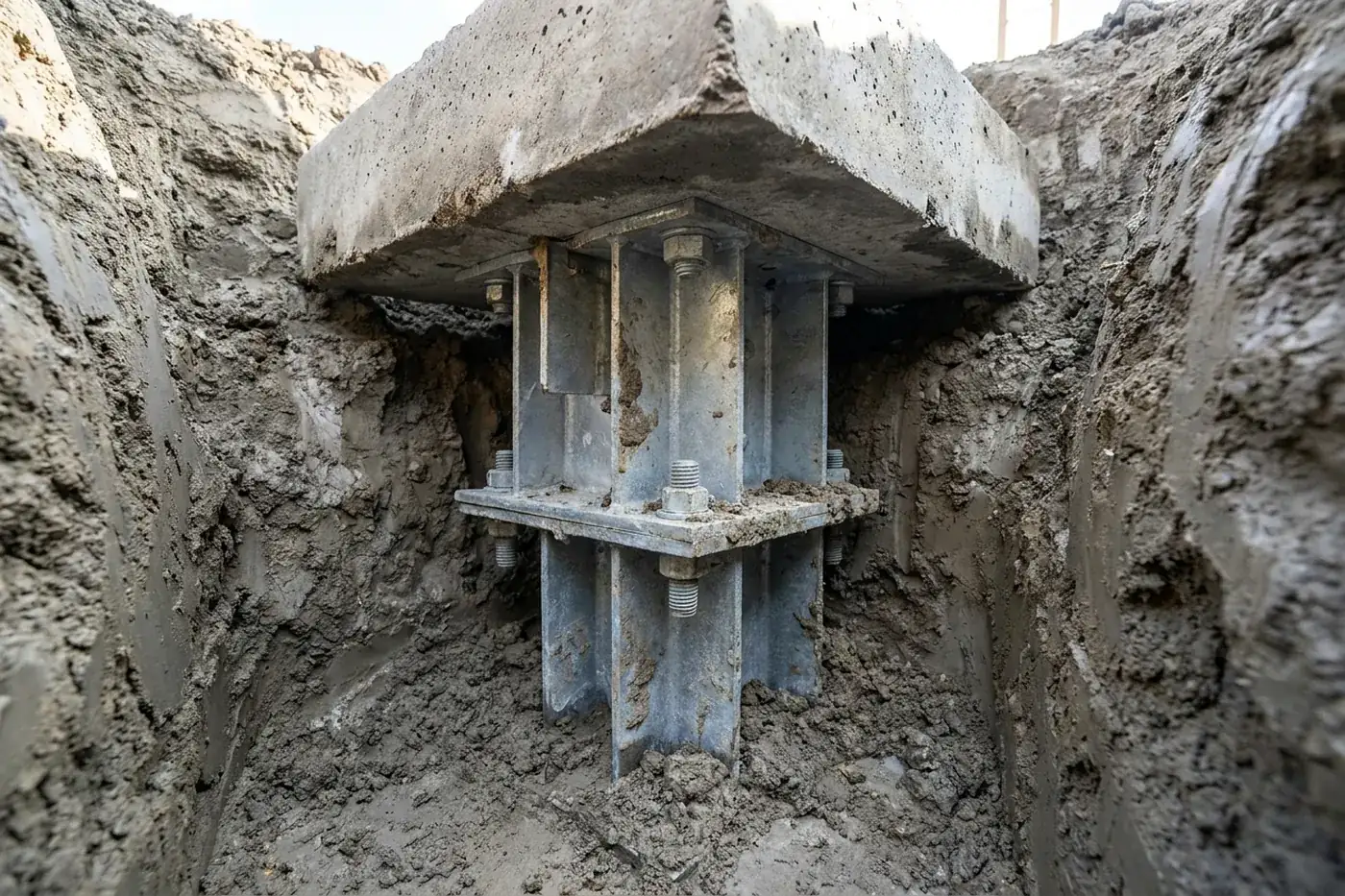
Older stock means a different foundation type
Some of Baker's older housing sits on piers and beams rather than a poured slab. That matters commercially, because the two need different work. A slab home needs underpinning taken down to bearing. A pier-and-beam home is shimmed and re-supported from underneath, which is less invasive, genuinely adjustable later, and usually cheaper.
It also changes what to inspect. On a slab you are reading the ground. On piers and beams you are also reading the supports themselves: rot, crumbling masonry piers, sill plate condition. Movement in an older Baker home is as often a failing support as failing soil.
Which means the first question is construction type
If a company quotes you slab underpinning without establishing which of the two you have, that is a reason to pause. The evaluation should start under the house where there is a crawl space, and the scope should name the construction type explicitly before it names a price.
Asked in Baker
How much does foundation repair cost in Baker?
It depends heavily on construction type. Pier-and-beam work - shimming and re-supporting from the crawl space - commonly runs $3,000-$10,000. Slab underpinning runs $4,000-$15,000. Establishing which one your house is should happen before any number is quoted.
How do I know if I have piers and beams or a slab?
If there is a crawl space you can access, and the floor structure sits above the ground on supports, it is pier and beam. If the finished floor is concrete at ground level, it is a slab. Some older Baker homes are the former.
Is pier-and-beam repair cheaper?
Usually, and it is also more reversible. The supports can be adjusted again later, which slab underpinning cannot. The offsetting factor is that the supports themselves need inspecting for rot and deterioration, and replacing failed ones is part of the work.
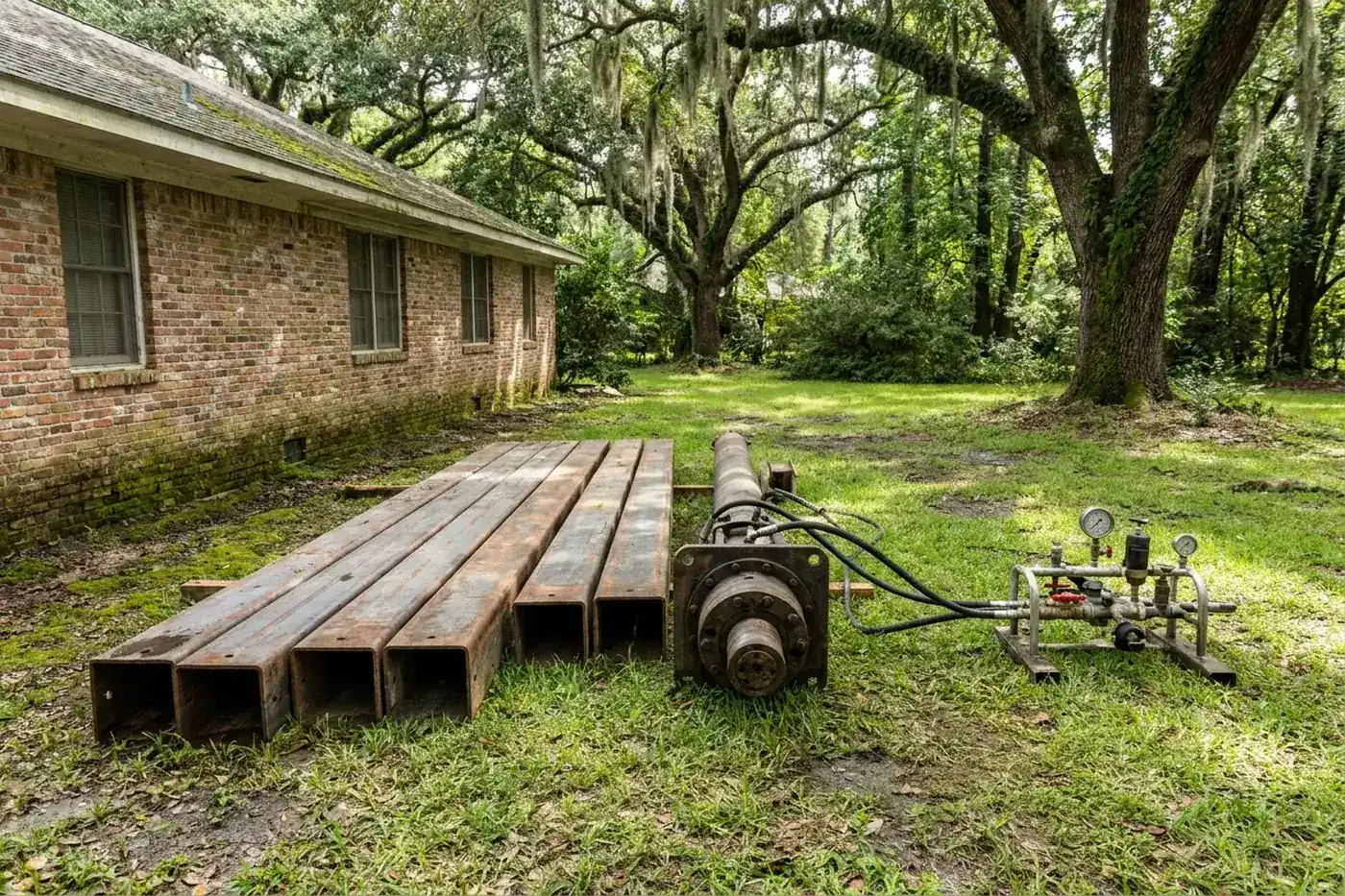
Getting a number for your Baker house
The evaluation starts under the house where there is a crawl space, because on pier-and-beam construction the supports are as likely to be the problem as the soil. The scope names the construction type explicitly before it names a price, if a quote skips that step, ask why.
What the Census says about Baker houses
The Census Bureau's 2020–2024 survey counts about 5,000 homes in Baker, with a median build year of 1979. Roughly two thirds were built between 1960 and 1989, spread almost evenly across those three decades, and fewer than 1% predate 1950. Only about one in five went up in 2000 or later.
So the typical Baker house is a few decades old rather than very old. The survey does not record foundation type, which is why the crawl-space check above still has to be made house by house.
Baker's inspections department
Baker is its own city inside East Baton Rouge Parish, and its inspections department says it issues permits for building, electrical, plumbing and mechanical work and inspects that work against the codes. Ask that office whether your repair scope needs a permit before a start date is booked, and look the lot up on FEMA's flood map, since any drainage added around the house has to discharge somewhere.
Get a Baton Rouge foundation evaluation
Tell us what the house is doing and roughly when it started: a crack that opens in dry weather and closes after rain reads differently from one that only ever widens. If you know which way the floor falls, say so. That single detail often separates a moisture problem from a ground-movement problem before anyone visits. A local specialist who serves Baton Rouge will call you back.