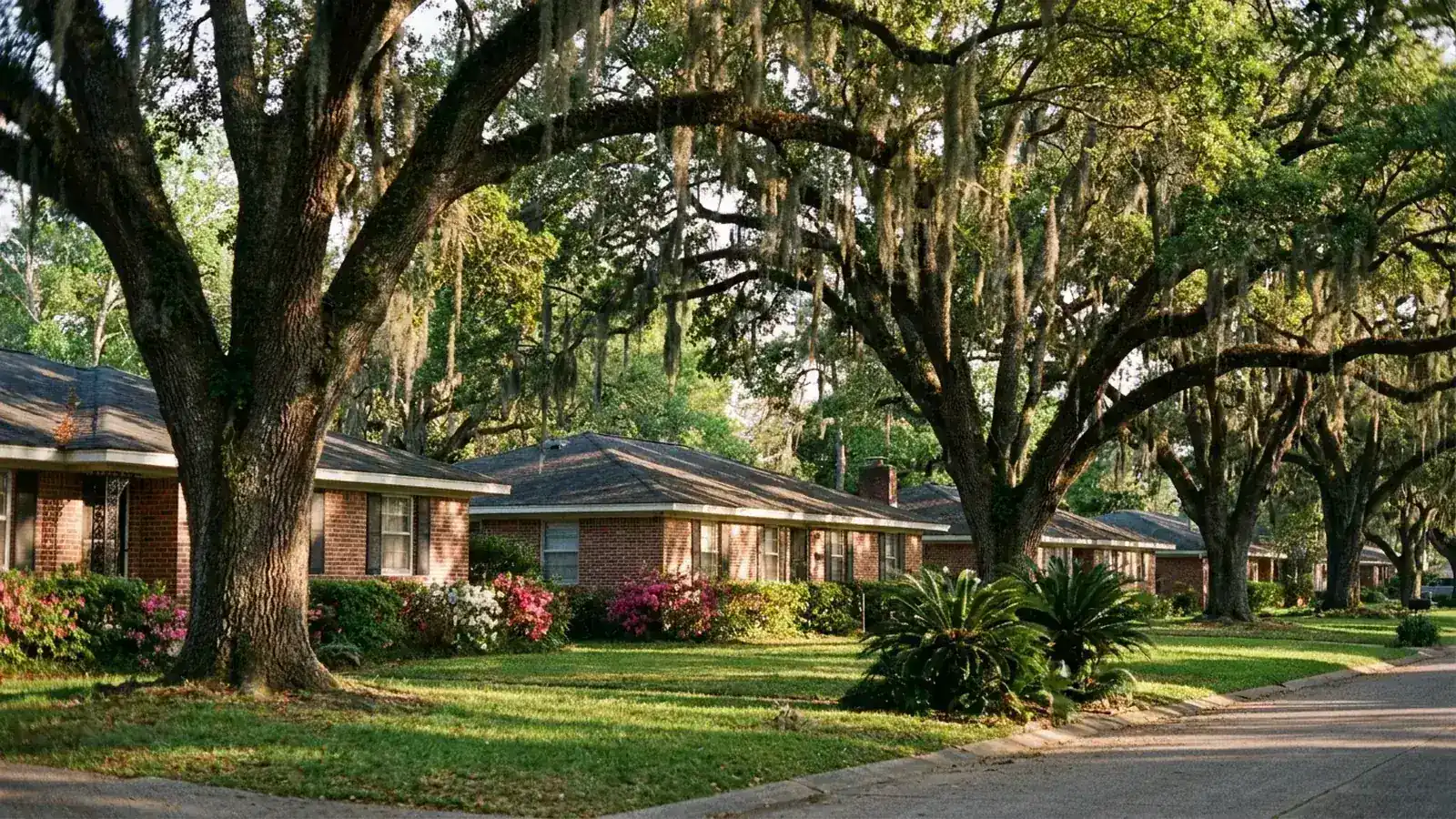
Foundation repair in Walker runs $4,000–$15,000, piers $1,200–$3,000 each. Ask the specialist whether travel is charged. Ask any competing bidder where mobilisation sits in their document: at this distance some bury it in the line items, which makes bids hard to compare.
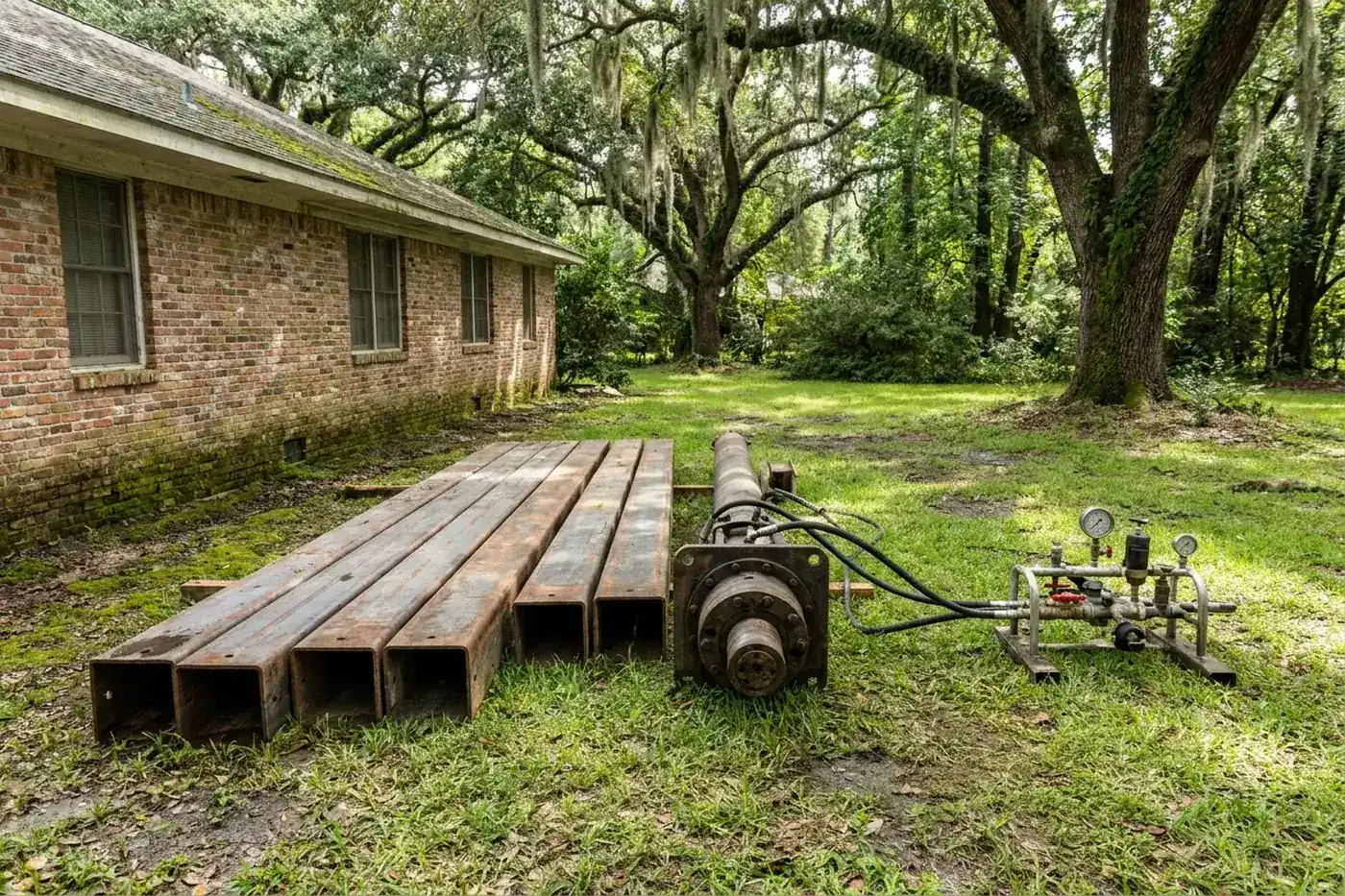
The same saturation story, a different parish
Walker sits in the corridor that took the worst of the August 2016 flooding, and the foundation consequence is the same as its neighbors: soil that was thoroughly saturated releases water slowly, and houses sitting on it can settle for years afterward rather than weeks.
The practical response is the same too. Establish a baseline with elevation readings, repeat them, and treat the change between the two sets as the signal. A single visit tells you the shape today; it cannot tell you whether today is still moving.
Ask whether the drive is in the price
Walker is a genuine distance from central Baton Rouge, and some companies fold the travel into the line items rather than naming it. That is not dishonest, but it makes bids hard to compare when one has buried it and another has not.
Ask directly whether there is a mobilisation or travel charge and where it sits in the document. Many local specialists don't charge for an evaluation anywhere in East Baton Rouge, Livingston, or Ascension parish; ask for a scope that prices the work rather than the distance.
Asked in Walker
How much does foundation repair cost in Walker?
Most full repairs run $4,000-$15,000, piers commonly $1,200-$3,000 each. Ask specifically whether travel or mobilisation is a separate line - Walker is a real distance from the city and some companies bury it in the item pricing, which makes bids hard to compare.
Is there an extra charge to come out here?
Many local specialists don't charge for an evaluation anywhere in East Baton Rouge, Livingston, or Ascension parish. Ask whether travel is charged, and ask for a scope that prices the work rather than the distance. If a competitor's number seems high, asking where the drive sits in their document is a fair question.
Is the 2016 flood still causing movement?
It can be. Thoroughly saturated clay releases water over years, and consolidation continues while it does. Whether it is still active for your house is answerable by measurement - two sets of elevation readings a year apart, with the change between them as the signal.
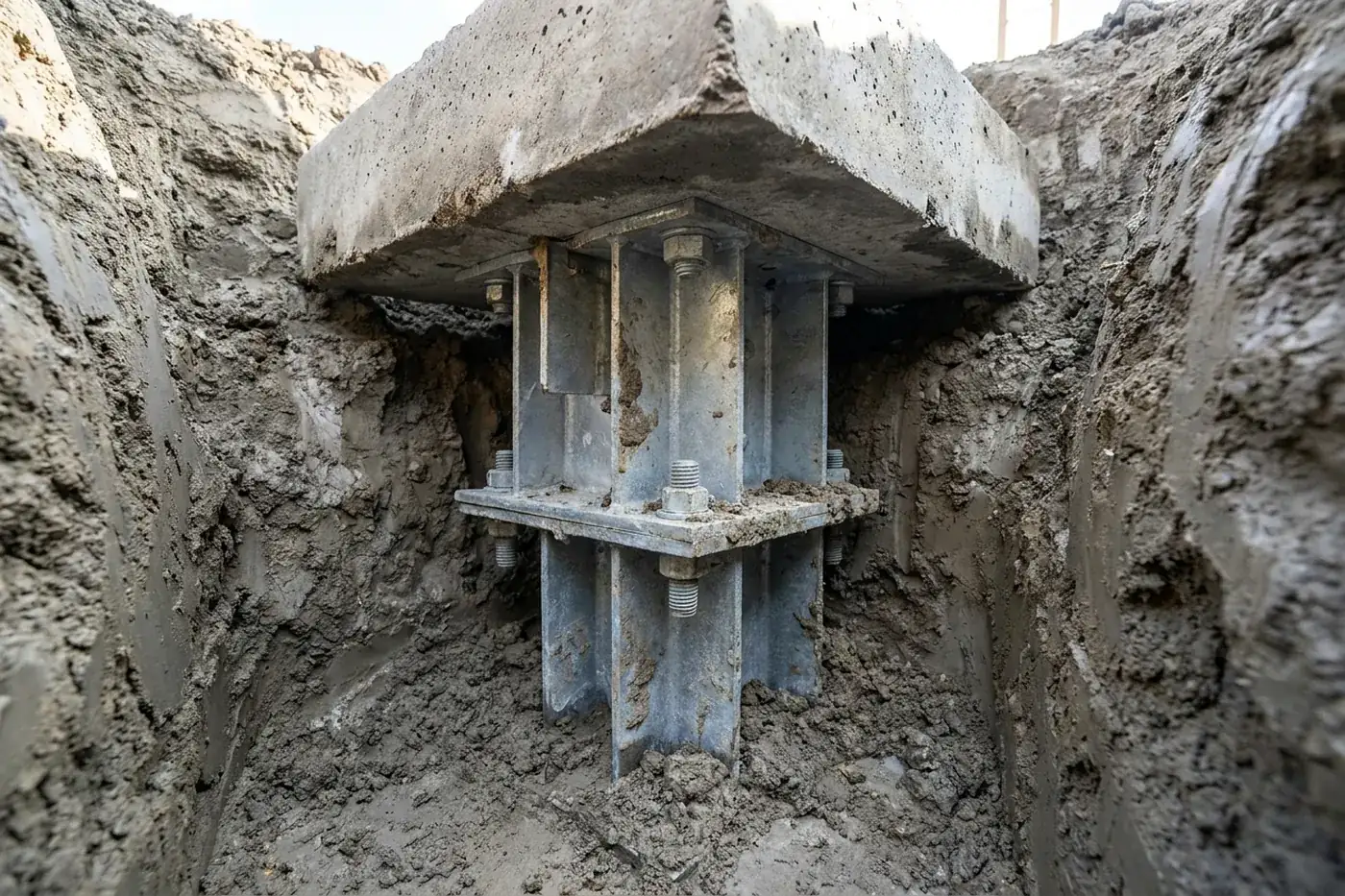
Evaluation in Walker
In Walker, ask up front whether the visit is charged and whether the elevation survey and written scope come with it, and check that no mobilisation fee is buried anywhere in it. If you already hold a bid, compare it, and where the drive sits in their pricing is usually the first thing worth finding.
Walker grew in the 1990s and 2000s
Walker's housing is younger than Denham Springs next door. Census figures for 2020–2024 put the town at about 2,510 homes with a median build year of 1998; the 1990s and 2000s together account for about 52%, and fewer than one in five predates 1980.
More than half of Walker's houses were therefore between roughly 6 and 26 years old in August 2016, young enough that placed fill under some of them may still have been settling when the water arrived. Two causes can overlap, which is one more reason to let repeated readings decide.
A Livingston Parish town with its own hall
Walker is an incorporated town in Livingston Parish, so ask town hall which office permits structural or drainage work at your address before a bid is accepted. A look at FEMA's flood map tells you whether your Walker lot is in a mapped zone.
Get a Baton Rouge foundation evaluation
Tell us what the house is doing and roughly when it started: a crack that opens in dry weather and closes after rain reads differently from one that only ever widens. If you know which way the floor falls, say so. That single detail often separates a moisture problem from a ground-movement problem before anyone visits. A local specialist who serves Baton Rouge will call you back.